Please update your browser
Your current browser version is outdated. We recommend updating to the latest version for an improved and secure browsing experience.
The Operatic Imagination

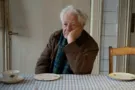
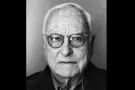

Beginning with the bold use of contemporary religious pieces by British composer John Tavener as well as Estonian composer Arvo Pärt in his first film Little Odessa (1994), James Gray has made music central to his cinematic project. His acute knowledge of all aspects of the classical repertoire is evident, but his extended gestures and use of aria-like musical repetition reflect the specific influence of Italian opera.
He pays tribute to this in most of his films. Opera is shown being performed even in the depths of the jungle in The Lost City of Z (2017), much like in Werner Herzog's Fitzcarraldo (1982).
The Immigrant (2013) is particularly opera-saturated, not only through the restaging of one of Enrico Caruso's Ellis Island performances (below), but also through the use of the theme from Giacomo Puccini's La Rondine (1917) every time Ewa and Orlando meet. The overall architecture of the plot is a synthesis of themes and tropes from three Puccini operas: La Rondine, the one-act Suor Angelica from Il Trittico (1918), and the inescapable Manon Lescaut (1892). The Manon Lescaut theme is reworked in the opening section of the film and recurs repeatedly thereafter).
Gray was invited to stage Mozart's The Marriage of Figaro in Paris in 2019 (and subsequently in Los Angeles in 2023). His
mise-en-scène echoes that of his films, particularly in the use of mirrors centrally and on the side to dynamize space. This also reflects the strong influence of the silent cinema of the 1910s.


Theme and Variation
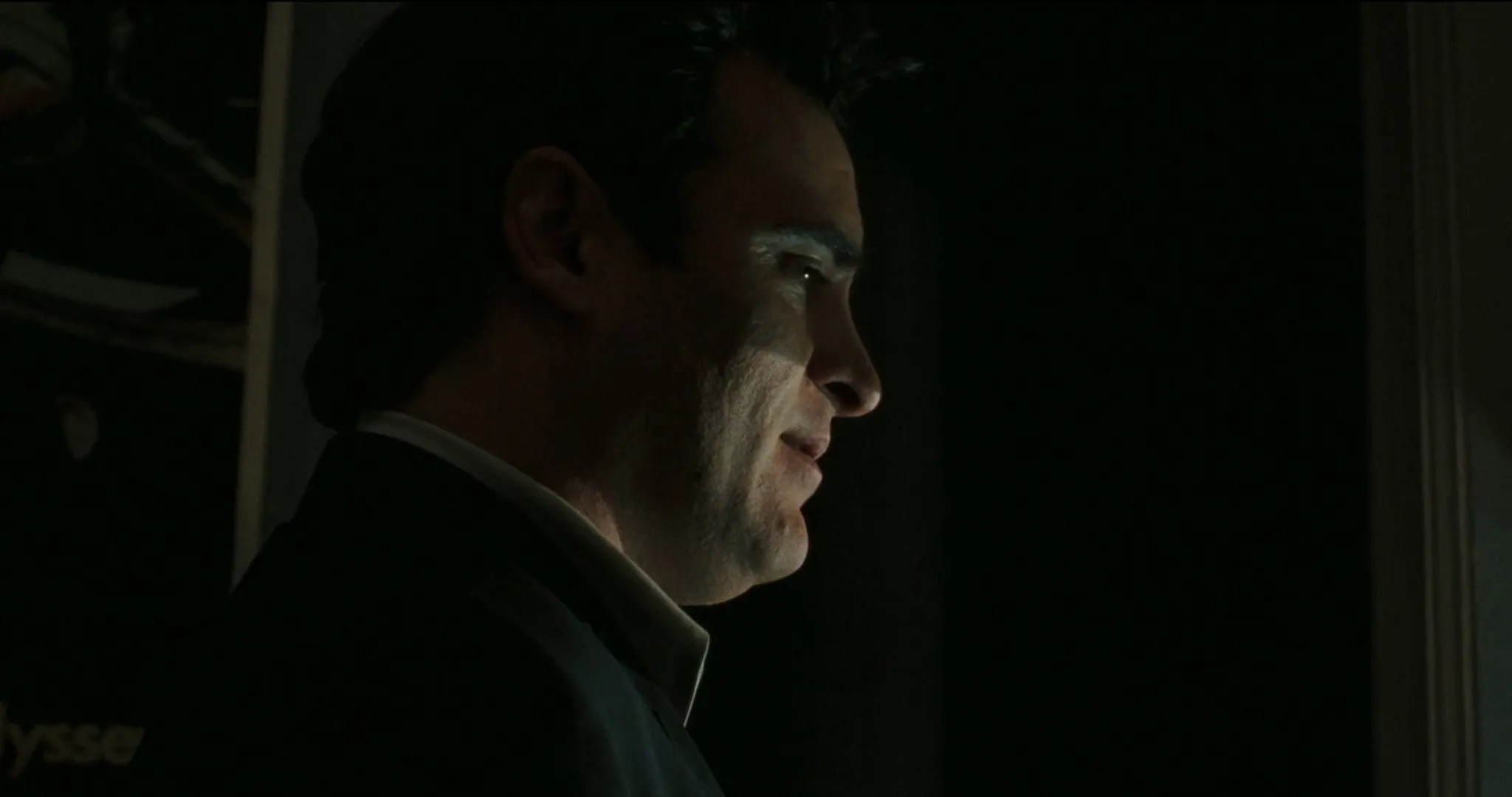
Gray's operatic sensibility is equally evident in The Yards (2000), even though the score consists of original music by Howard Shore and a complementary symphonic piece by Gustav Holst ("Saturn" from The Planets, 1912). Shore's lush score follows the Wagnerian conventions of film music, but Gray repeatedly links it with markedly slow, drawn-out gestures (clips 1 and 2 below), giving it a very different inflection. In the second extract below, following Willie (Joaquin Phoenix)'s unintentional murder of his beloved Erica, the narrative time seems transformed from within.
This description applies even more strongly to the repeated use of the final section of Holst's music for Saturn, "The Bringer of Old Age" (clips 3 and 4 below). In our portrait film, Gray said his intention was to "elevate the film" because it conveyed something ineffable. In the final sequence, the musical and visual axes converge in a synthesis of intimacy and distance that is both deeply operatic and uniquely cinematic.


Two Sides of Opera
In Two Lovers (2008), Gray once again synthesizes different operatic arias, but does so with wry humor and a critical acknowledgment of the spaces operas are normally presented in. In the first part of the clip to the left, Leonard accompanies Michelle, one of the "two lovers" of the title, and her married boyfriend to the area around Lincoln Center. The boyfriend encapsulates the darker side of opera spectatorship when he observes that Michelle "comes from a good family, lots of money" and explains that he loves opera because he feels special sitting in a reserved box.
Leonard is nevertheless inspired to listen to opera for the first time and Gray tellingly uses the sound of wrapping being pulled off of a CD entitled "Opera's Greatest Moments" to link the Metropolitan Opera at Lincoln Center and the protagonist's small apartment in Brighton Beach, Brooklyn. He is surprised by his "other" lover Sandra, who explains that she has never been to the opera (she has seen Tchaikovsky's ballet The Nutcracker, 1892).
As the sequence proceeds, Gray transitions between a series of extracts that ironically comment upon the situation of the characters: the expression of love ("O Lola") from Pietro Mascagni's Cavalleria rusticana (1890), a male aria from Gaetano Donizetti's L'elisir d'amore (1831), two arias from Manon Lescaut, and a section from Puccini's final opera Turandot (1926). This sets the stage for the elaborate long take on the rooftop that immediately follows.
-
Film Music
-
Hans-Jürgen Syberberg
-
James Ivory