Please update your browser
Your current browser version is outdated. We recommend updating to the latest version for an improved and secure browsing experience.
Terence Davies
Scroll to explore the exhibition
Terence Davies
- Introduction (Terence Davies)
- Time and Memory
- The Cinema of Terence Davies
-
Introduction (Terence Davies)
-
Time and Memory
-
The Cinema of Terence Davies
-
Film Music
-
Color
-
John Boorman
-
James Gray
-
Lynne Ramsay
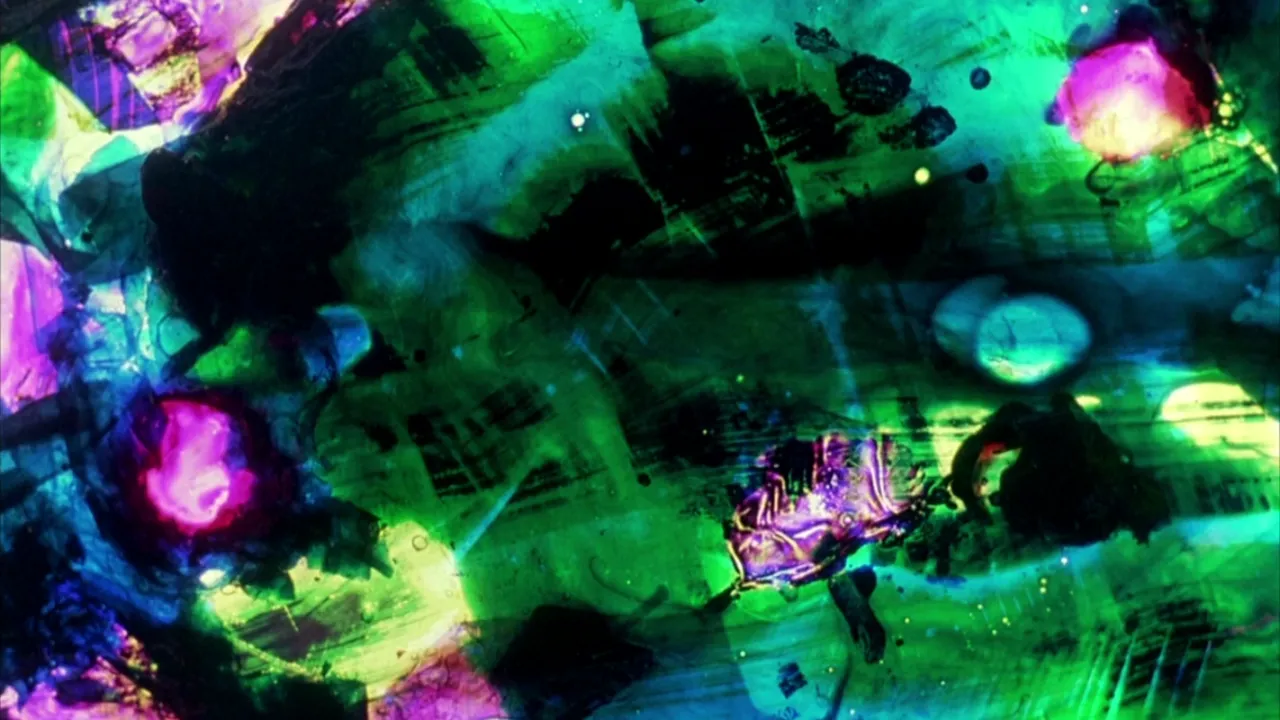
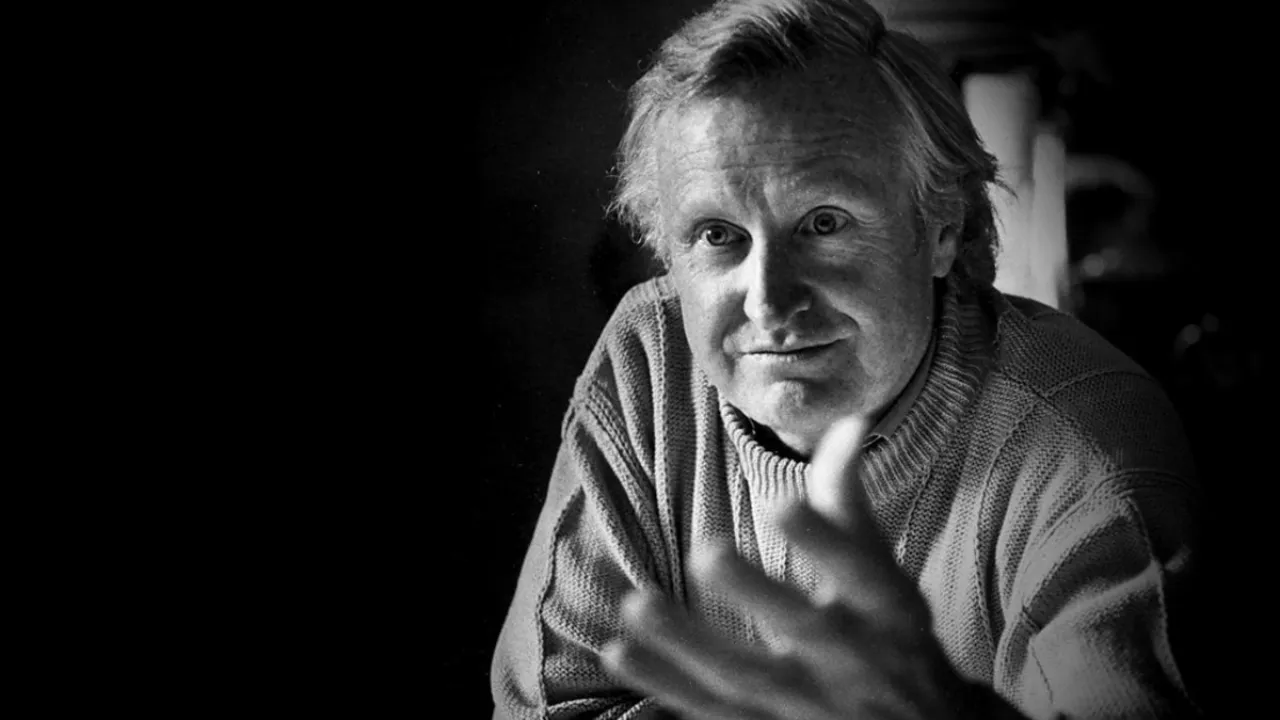
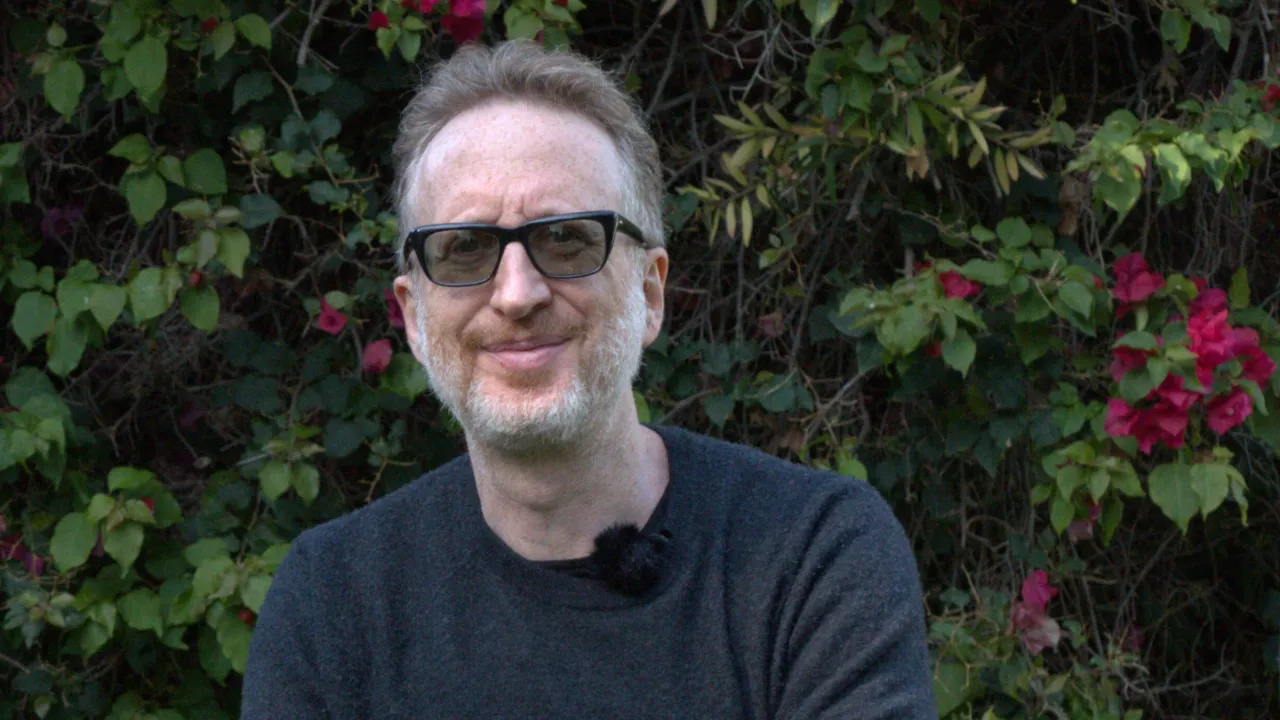
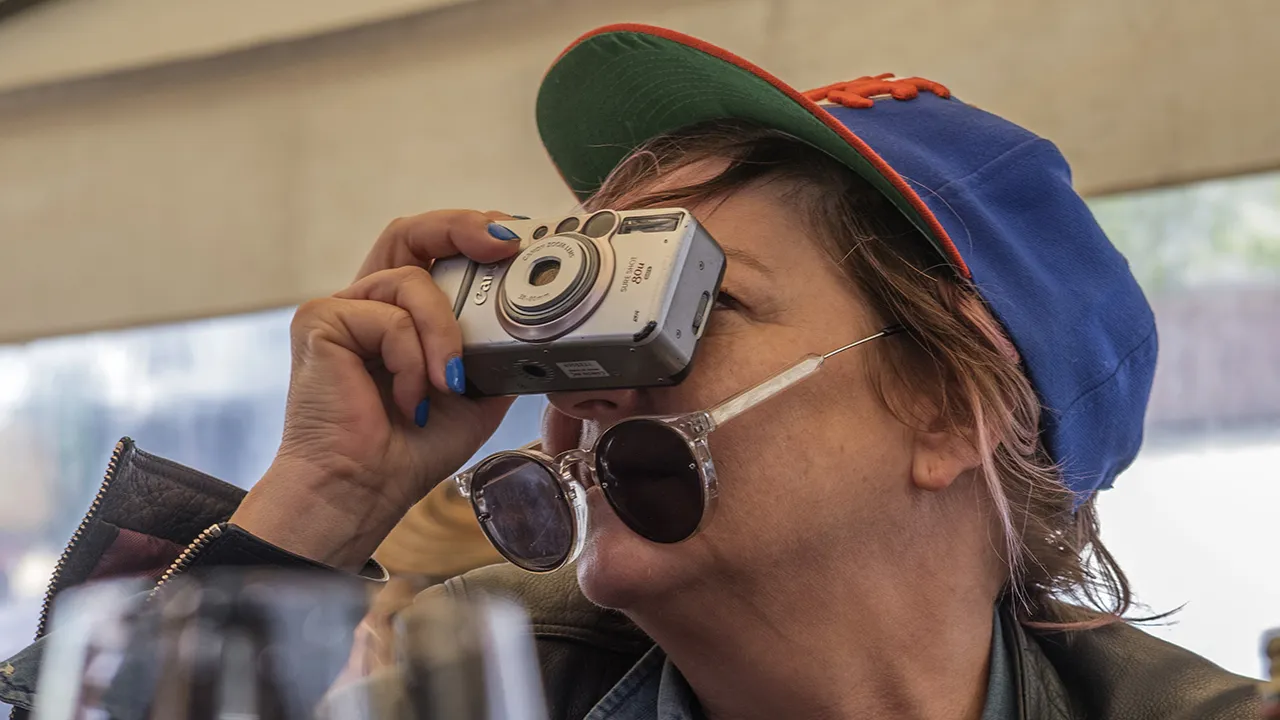
Terence Davies
Introduction (Terence Davies)
Terence Davies
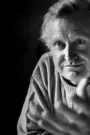
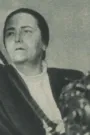
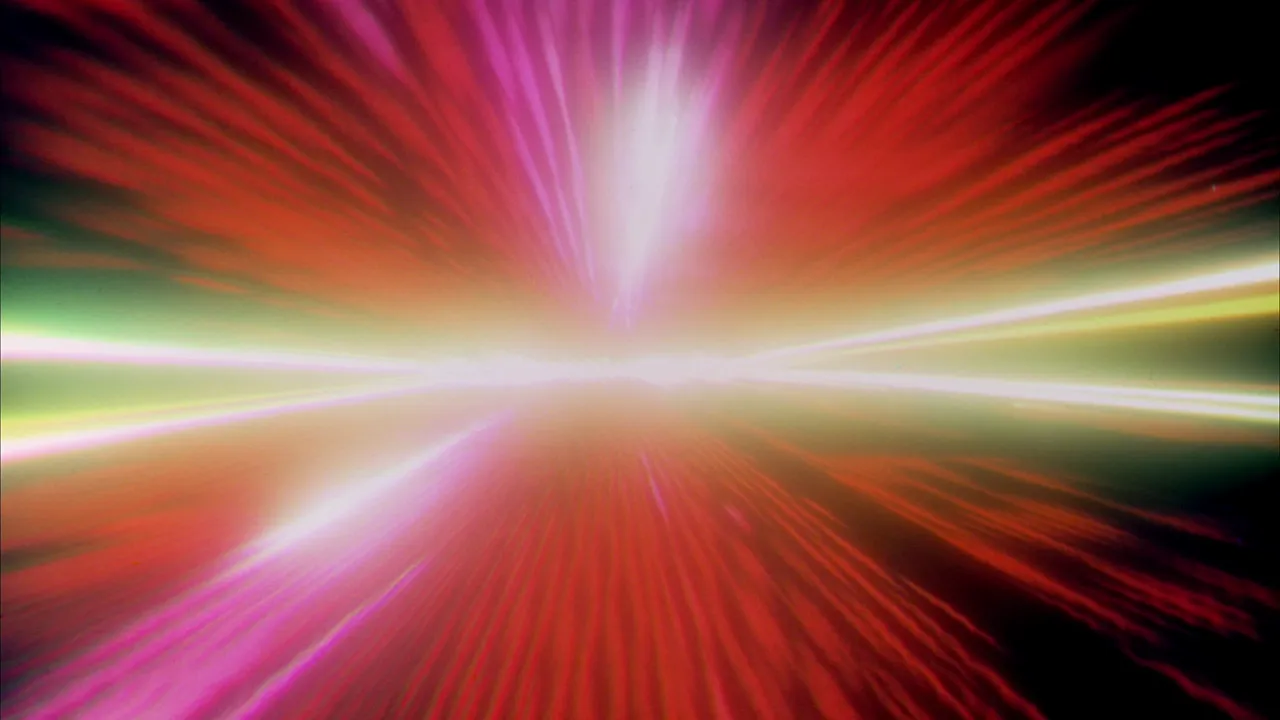
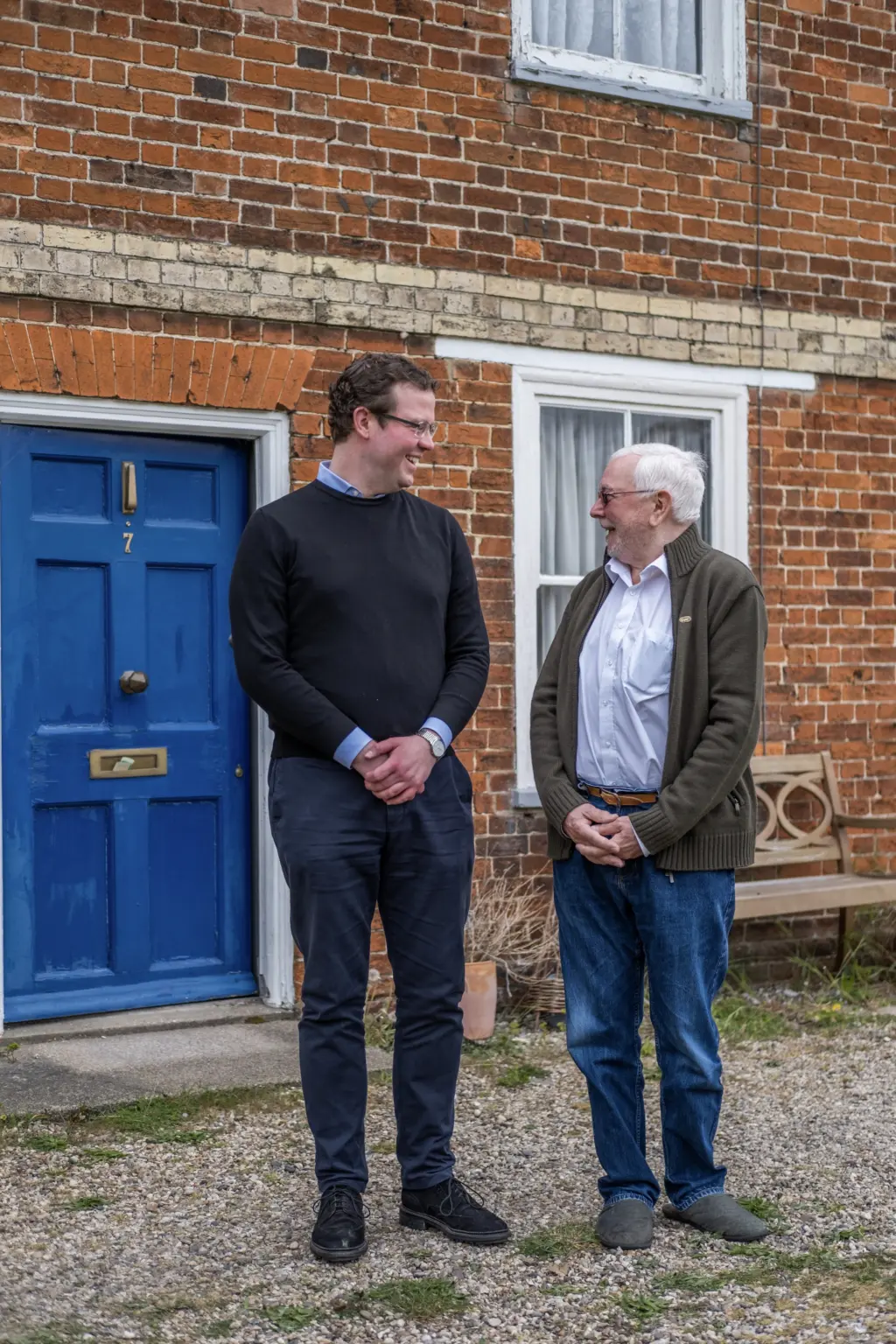
Through shifting points-of-view and a unique approach to movement and space, the lyrical films of Terence Davies (1945-2023) open up new perspectives on perception, memory, and time. With graceful erudition and disarming humor, Davies speaks eloquently in our two-part portrait film about his style, film color, music, the cinema of the 1940s and 1950s, and his enduring poetic loves: Emily Dickinson and T. S. Eliot’s “Four Quartets” (1943). Like Davies's films, "Four Quartets" evokes universal experience through sharply observed quotidian detail and cyclical rhythms. It serves as a structuring reference for the two rooms that follow. Photograph by Gus Aronson (Essex, April 2022).
Terence Davies Portrait Film
Two Chapters (THE TRUTH OF THE FRAME and TIME ODYSSEYS). (East Anglia and Liverpool, April 2022).
Time and Memory
Four Quartets
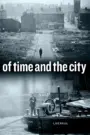
As described in Chapter One of our portrait film, this 1972 BBC recording of Alec Guinness reciting T. S. Eliot's Four Quartets (1943) was a transformative influence on Terence Davies. It was his first exposure to the work, which he quoted in Of Time and the City (Terence Davies, 2008, extract).
Liverpool
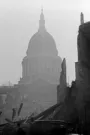
All of Davies's early autobiographical films (including his debut Children, 1976, extract) are set in a small section of his birth city of Liverpool. These narrow confines are imaginatively transformed by his fictional surrogates, and the city itself became the focus of his documentary epic Of Time and the City (2008).
The Cinema of Terence Davies
-
Film Music
-
Color
-
John Boorman
-
James Gray
-
Lynne Ramsay